BreakingLive updates: Major weather system approaching the region
Portable Mortgages won’t work
on November 13, 2025
Second, underwriting resets. Your 2020 loan sailed through loose guidelines; today’s stricter rules (or a condo-heavy lender policy) disqualify the new property. Appraisals often fall short, triggering cash pay-downs or denial.
“In 25 years of closings, I’ve seen exactly zero seamless SOC transfers.”
—Seasoned Escrow Officer
Third, securitization kills flexibility. Nearly all residential loans are pooled into mortgage-backed securities with ironclad bans on collateral swaps. Servicers breach investor covenants by allowing SOC.
Finally, lenders hate the risk. Substituting collateral doubles their exposure if you default mid-move. They’ll demand re-qualification, rate hikes, or treat it as a refinance—erasing the “portable” benefit.
The portable mortgage is a pipe dream. Real strategy lives in timing, equity, and smart refinancing—not in magic clauses.
The Myth of the “Portable” 3% Mortgage
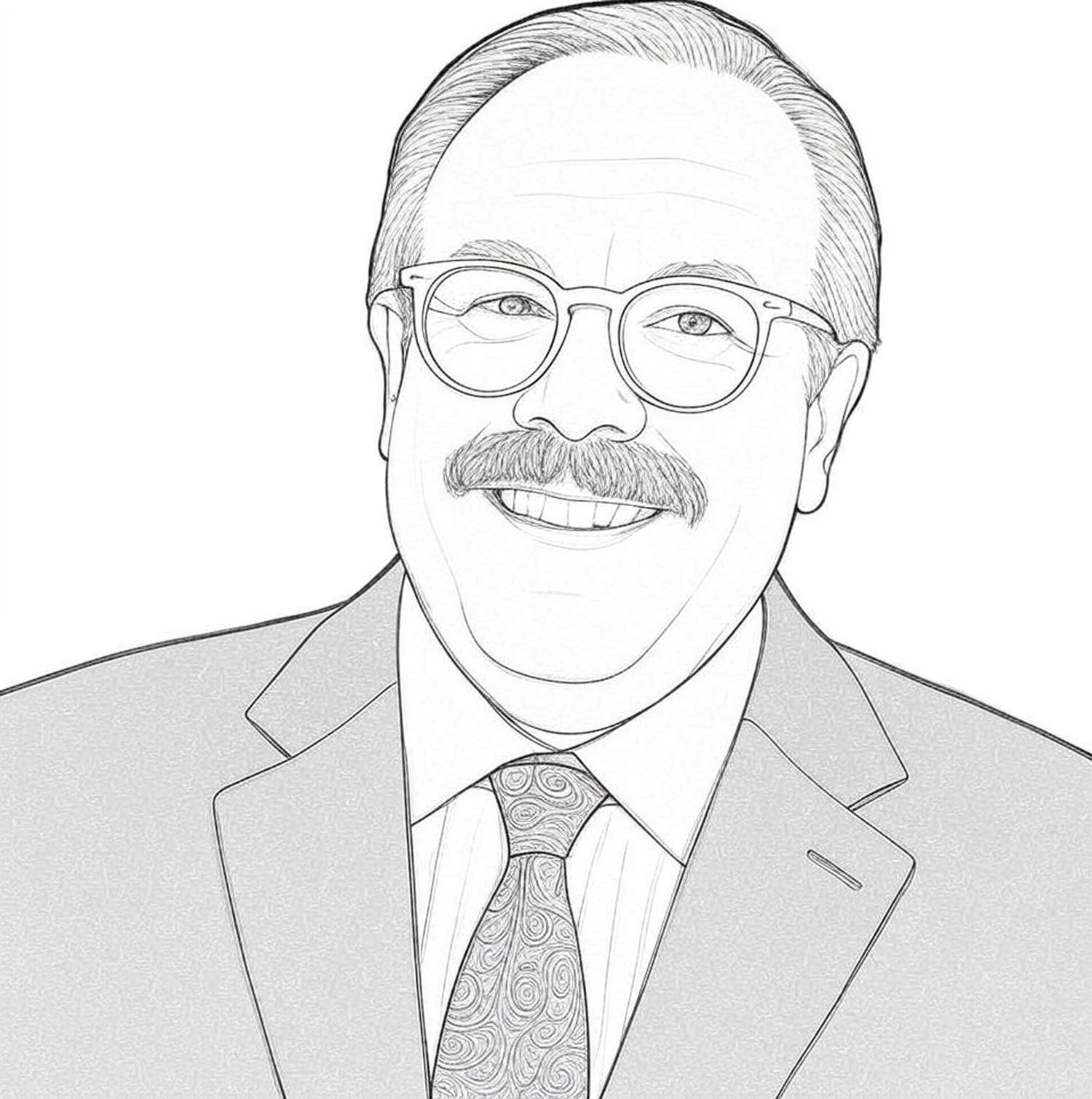
~Michael T. Ruhlman
Imagine locking in a 3% mortgage and carrying it to your next home like a suitcase. Lenders dangle substitution of collateral (SOC) clauses as a perk, but in reality, it’s a fantasy built on legal quicksand.
First, title chaos erupts. Releasing the old lien while perfecting a new one invites delays, errors, and intervening claims—HOA liens, tax judgments, or mechanic’s liens can leapfrog ahead. Title insurers routinely exclude SOC risk, stalling closings.
Second, underwriting resets. Your 2020 loan sailed through loose guidelines; today’s stricter rules (or a condo-heavy lender policy) disqualify the new property. Appraisals often fall short, triggering cash pay-downs or denial.
“In 25 years of closings, I’ve seen exactly zero seamless SOC transfers.”
—Seasoned Escrow Officer
Third, securitization kills flexibility. Nearly all residential loans are pooled into mortgage-backed securities with ironclad bans on collateral swaps. Servicers breach investor covenants by allowing SOC.
Finally, lenders hate the risk. Substituting collateral doubles their exposure if you default mid-move. They’ll demand re-qualification, rate hikes, or treat it as a refinance—erasing the “portable” benefit.
The portable mortgage is a pipe dream. Real strategy lives in timing, equity, and smart refinancing—not in magic clauses.
The Myth of the “Portable” 3% Mortgage
~Michael T. Ruhlman
Imagine locking in a 3% mortgage and carrying it to your next home like a suitcase. Lenders dangle substitution of collateral (SOC) clauses as a perk, but in reality, it’s a fantasy built on legal quicksand.
First, title chaos erupts. Releasing the old lien while perfecting a new one invites delays, errors, and intervening claims—HOA liens, tax judgments, or mechanic’s liens can leapfrog ahead. Title insurers routinely exclude SOC risk, stalling closings.
Second, underwriting resets. Your 2020 loan sailed through loose guidelines; today’s stricter rules (or a condo-heavy lender policy) disqualify the new property. Appraisals often fall short, triggering cash pay-downs or denial.
“In 25 years of closings, I’ve seen exactly zero seamless SOC transfers.”
—Seasoned Escrow Officer
Third, securitization kills flexibility. Nearly all residential loans are pooled into mortgage-backed securities with ironclad bans on collateral swaps. Servicers breach investor covenants by allowing SOC.
Finally, lenders hate the risk. Substituting collateral doubles their exposure if you default mid-move. They’ll demand re-qualification, rate hikes, or treat it as a refinance—erasing the “portable” benefit.
The portable mortgage is a pipe dream. Real strategy lives in timing, equity, and smart refinancing—not in magic clauses.
The Myth of the “Portable” 3% Mortgage
~Michael T. Ruhlman
Imagine locking in a 3% mortgage and carrying it to your next home like a suitcase. Lenders dangle substitution of collateral (SOC) clauses as a perk, but in reality, it’s a fantasy built on legal quicksand.
First, title chaos erupts. Releasing the old lien while perfecting a new one invites delays, errors, and intervening claims—HOA liens, tax judgments, or mechanic’s liens can leapfrog ahead. Title insurers routinely exclude SOC risk, stalling closings.
Second, underwriting resets. Your 2020 loan sailed through loose guidelines; today’s stricter rules (or a condo-heavy lender policy) disqualify the new property. Appraisals often fall short, triggering cash pay-downs or denial.
“In 25 years of closings, I’ve seen exactly zero seamless SOC transfers.”
—Seasoned Escrow Officer
Third, securitization kills flexibility. Nearly all residential loans are pooled into mortgage-backed securities with ironclad bans on collateral swaps. Servicers breach investor covenants by allowing SOC.
Finally, lenders hate the risk. Substituting collateral doubles their exposure if you default mid-move. They’ll demand re-qualification, rate hikes, or treat it as a refinance—erasing the “portable” benefit.
The portable mortgage is a pipe dream. Real strategy lives in timing, equity, and smart refinancing—not in magic clauses.
Second, underwriting resets. Your 2020 loan sailed through loose guidelines; today’s stricter rules (or a condo-heavy lender policy) disqualify the new property. Appraisals often fall short, triggering cash pay-downs or denial.
“In 25 years of closings, I’ve seen exactly zero seamless SOC transfers.”
—Seasoned Escrow Officer
Third, securitization kills flexibility. Nearly all residential loans are pooled into mortgage-backed securities with ironclad bans on collateral swaps. Servicers breach investor covenants by allowing SOC.
Finally, lenders hate the risk. Substituting collateral doubles their exposure if you default mid-move. They’ll demand re-qualification, rate hikes, or treat it as a refinance—erasing the “portable” benefit.
The portable mortgage is a pipe dream. Real strategy lives in timing, equity, and smart refinancing—not in magic clauses.
The Myth of the “Portable” 3% Mortgage
~Michael T. Ruhlman
Imagine locking in a 3% mortgage and carrying it to your next home like a suitcase. Lenders dangle substitution of collateral (SOC) clauses as a perk, but in reality, it’s a fantasy built on legal quicksand.
First, title chaos erupts. Releasing the old lien while perfecting a new one invites delays, errors, and intervening claims—HOA liens, tax judgments, or mechanic’s liens can leapfrog ahead. Title insurers routinely exclude SOC risk, stalling closings.
Second, underwriting resets. Your 2020 loan sailed through loose guidelines; today’s stricter rules (or a condo-heavy lender policy) disqualify the new property. Appraisals often fall short, triggering cash pay-downs or denial.
“In 25 years of closings, I’ve seen exactly zero seamless SOC transfers.”
—Seasoned Escrow Officer
Third, securitization kills flexibility. Nearly all residential loans are pooled into mortgage-backed securities with ironclad bans on collateral swaps. Servicers breach investor covenants by allowing SOC.
Finally, lenders hate the risk. Substituting collateral doubles their exposure if you default mid-move. They’ll demand re-qualification, rate hikes, or treat it as a refinance—erasing the “portable” benefit.
The portable mortgage is a pipe dream. Real strategy lives in timing, equity, and smart refinancing—not in magic clauses.
The Myth of the “Portable” 3% Mortgage
~Michael T. Ruhlman
Imagine locking in a 3% mortgage and carrying it to your next home like a suitcase. Lenders dangle substitution of collateral (SOC) clauses as a perk, but in reality, it’s a fantasy built on legal quicksand.
First, title chaos erupts. Releasing the old lien while perfecting a new one invites delays, errors, and intervening claims—HOA liens, tax judgments, or mechanic’s liens can leapfrog ahead. Title insurers routinely exclude SOC risk, stalling closings.
Second, underwriting resets. Your 2020 loan sailed through loose guidelines; today’s stricter rules (or a condo-heavy lender policy) disqualify the new property. Appraisals often fall short, triggering cash pay-downs or denial.
“In 25 years of closings, I’ve seen exactly zero seamless SOC transfers.”
—Seasoned Escrow Officer
Third, securitization kills flexibility. Nearly all residential loans are pooled into mortgage-backed securities with ironclad bans on collateral swaps. Servicers breach investor covenants by allowing SOC.
Finally, lenders hate the risk. Substituting collateral doubles their exposure if you default mid-move. They’ll demand re-qualification, rate hikes, or treat it as a refinance—erasing the “portable” benefit.
The portable mortgage is a pipe dream. Real strategy lives in timing, equity, and smart refinancing—not in magic clauses.
The Myth of the “Portable” 3% Mortgage
~Michael T. Ruhlman
Imagine locking in a 3% mortgage and carrying it to your next home like a suitcase. Lenders dangle substitution of collateral (SOC) clauses as a perk, but in reality, it’s a fantasy built on legal quicksand.
First, title chaos erupts. Releasing the old lien while perfecting a new one invites delays, errors, and intervening claims—HOA liens, tax judgments, or mechanic’s liens can leapfrog ahead. Title insurers routinely exclude SOC risk, stalling closings.
Second, underwriting resets. Your 2020 loan sailed through loose guidelines; today’s stricter rules (or a condo-heavy lender policy) disqualify the new property. Appraisals often fall short, triggering cash pay-downs or denial.
“In 25 years of closings, I’ve seen exactly zero seamless SOC transfers.”
—Seasoned Escrow Officer
Third, securitization kills flexibility. Nearly all residential loans are pooled into mortgage-backed securities with ironclad bans on collateral swaps. Servicers breach investor covenants by allowing SOC.
Finally, lenders hate the risk. Substituting collateral doubles their exposure if you default mid-move. They’ll demand re-qualification, rate hikes, or treat it as a refinance—erasing the “portable” benefit.
The portable mortgage is a pipe dream. Real strategy lives in timing, equity, and smart refinancing—not in magic clauses.
The Myth of the “Portable” 3% Mortgage
~Michael T. Ruhlman
Imagine locking in a 3% mortgage and carrying it to your next home like a suitcase. Lenders dangle substitution of collateral (SOC) clauses as a perk, but in reality, it’s a fantasy built on legal quicksand.
First, title chaos erupts. Releasing the old lien while perfecting a new one invites delays, errors, and intervening claims—HOA liens, tax judgments, or mechanic’s liens can leapfrog ahead. Title insurers routinely exclude SOC risk, stalling closings.
Second, underwriting resets. Your 2020 loan sailed through loose guidelines; today’s stricter rules (or a condo-heavy lender policy) disqualify the new property. Appraisals often fall short, triggering cash pay-downs or denial.
“In 25 years of closings, I’ve seen exactly zero seamless SOC transfers.”
—Seasoned Escrow Officer
Third, securitization kills flexibility. Nearly all residential loans are pooled into mortgage-backed securities with ironclad bans on collateral swaps. Servicers breach investor covenants by allowing SOC.
Finally, lenders hate the risk. Substituting collateral doubles their exposure if you default mid-move. They’ll demand re-qualification, rate hikes, or treat it as a refinance—erasing the “portable” benefit.
The portable mortgage is a pipe dream. Real strategy lives in timing, equity, and smart refinancing—not in magic clauses.
The Myth of the “Portable” 3% Mortgage
~Michael T. Ruhlman
Imagine locking in a 3% mortgage and carrying it to your next home like a suitcase. Lenders dangle substitution of collateral (SOC) clauses as a perk, but in reality, it’s a fantasy built on legal quicksand.
First, title chaos erupts. Releasing the old lien while perfecting a new one invites delays, errors, and intervening claims—HOA liens, tax judgments, or mechanic’s liens can leapfrog ahead. Title insurers routinely exclude SOC risk, stalling closings.
Second, underwriting resets. Your 2020 loan sailed through loose guidelines; today’s stricter rules (or a condo-heavy lender policy) disqualify the new property. Appraisals often fall short, triggering cash pay-downs or denial.
“In 25 years of closings, I’ve seen exactly zero seamless SOC transfers.”
—Seasoned Escrow Officer
Third, securitization kills flexibility. Nearly all residential loans are pooled into mortgage-backed securities with ironclad bans on collateral swaps. Servicers breach investor covenants by allowing SOC.
Finally, lenders hate the risk. Substituting collateral doubles their exposure if you default mid-move. They’ll demand re-qualification, rate hikes, or treat it as a refinance—erasing the “portable” benefit.
The portable mortgage is a pipe dream. Real strategy lives in timing, equity, and smart refinancing—not in magic clauses.
Second, underwriting resets. Your 2020 loan sailed through loose guidelines; today’s stricter rules (or a condo-heavy lender policy) disqualify the new property. Appraisals often fall short, triggering cash pay-downs or denial.
“In 25 years of closings, I’ve seen exactly zero seamless SOC transfers.”
—Seasoned Escrow Officer
Third, securitization kills flexibility. Nearly all residential loans are pooled into mortgage-backed securities with ironclad bans on collateral swaps. Servicers breach investor covenants by allowing SOC.
Finally, lenders hate the risk. Substituting collateral doubles their exposure if you default mid-move. They’ll demand re-qualification, rate hikes, or treat it as a refinance—erasing the “portable” benefit.
The portable mortgage is a pipe dream. Real strategy lives in timing, equity, and smart refinancing—not in magic clauses.
The Myth of the “Portable” 3% Mortgage
~Michael T. Ruhlman
Imagine locking in a 3% mortgage and carrying it to your next home like a suitcase. Lenders dangle substitution of collateral (SOC) clauses as a perk, but in reality, it’s a fantasy built on legal quicksand.
First, title chaos erupts. Releasing the old lien while perfecting a new one invites delays, errors, and intervening claims—HOA liens, tax judgments, or mechanic’s liens can leapfrog ahead. Title insurers routinely exclude SOC risk, stalling closings.
Second, underwriting resets. Your 2020 loan sailed through loose guidelines; today’s stricter rules (or a condo-heavy lender policy) disqualify the new property. Appraisals often fall short, triggering cash pay-downs or denial.
“In 25 years of closings, I’ve seen exactly zero seamless SOC transfers.”
—Seasoned Escrow Officer
Third, securitization kills flexibility. Nearly all residential loans are pooled into mortgage-backed securities with ironclad bans on collateral swaps. Servicers breach investor covenants by allowing SOC.
Finally, lenders hate the risk. Substituting collateral doubles their exposure if you default mid-move. They’ll demand re-qualification, rate hikes, or treat it as a refinance—erasing the “portable” benefit.
The portable mortgage is a pipe dream. Real strategy lives in timing, equity, and smart refinancing—not in magic clauses.
The Myth of the “Portable” 3% Mortgage
~Michael T. Ruhlman
Imagine locking in a 3% mortgage and carrying it to your next home like a suitcase. Lenders dangle substitution of collateral (SOC) clauses as a perk, but in reality, it’s a fantasy built on legal quicksand.
First, title chaos erupts. Releasing the old lien while perfecting a new one invites delays, errors, and intervening claims—HOA liens, tax judgments, or mechanic’s liens can leapfrog ahead. Title insurers routinely exclude SOC risk, stalling closings.
Second, underwriting resets. Your 2020 loan sailed through loose guidelines; today’s stricter rules (or a condo-heavy lender policy) disqualify the new property. Appraisals often fall short, triggering cash pay-downs or denial.
“In 25 years of closings, I’ve seen exactly zero seamless SOC transfers.”
—Seasoned Escrow Officer
Third, securitization kills flexibility. Nearly all residential loans are pooled into mortgage-backed securities with ironclad bans on collateral swaps. Servicers breach investor covenants by allowing SOC.
Finally, lenders hate the risk. Substituting collateral doubles their exposure if you default mid-move. They’ll demand re-qualification, rate hikes, or treat it as a refinance—erasing the “portable” benefit.
The portable mortgage is a pipe dream. Real strategy lives in timing, equity, and smart refinancing—not in magic clauses.
The Myth of the “Portable” 3% Mortgage
~Michael T. Ruhlman
Imagine locking in a 3% mortgage and carrying it to your next home like a suitcase. Lenders dangle substitution of collateral (SOC) clauses as a perk, but in reality, it’s a fantasy built on legal quicksand.
First, title chaos erupts. Releasing the old lien while perfecting a new one invites delays, errors, and intervening claims—HOA liens, tax judgments, or mechanic’s liens can leapfrog ahead. Title insurers routinely exclude SOC risk, stalling closings.
Second, underwriting resets. Your 2020 loan sailed through loose guidelines; today’s stricter rules (or a condo-heavy lender policy) disqualify the new property. Appraisals often fall short, triggering cash pay-downs or denial.
“In 25 years of closings, I’ve seen exactly zero seamless SOC transfers.”
—Seasoned Escrow Officer
Third, securitization kills flexibility. Nearly all residential loans are pooled into mortgage-backed securities with ironclad bans on collateral swaps. Servicers breach investor covenants by allowing SOC.
Finally, lenders hate the risk. Substituting collateral doubles their exposure if you default mid-move. They’ll demand re-qualification, rate hikes, or treat it as a refinance—erasing the “portable” benefit.
The portable mortgage is a pipe dream. Real strategy lives in timing, equity, and smart refinancing—not in magic clauses.
The Myth of the “Portable” 3% Mortgage
~Michael T. Ruhlman
Imagine locking in a 3% mortgage and carrying it to your next home like a suitcase. Lenders dangle substitution of collateral (SOC) clauses as a perk, but in reality, it’s a fantasy built on legal quicksand.
First, title chaos erupts. Releasing the old lien while perfecting a new one invites delays, errors, and intervening claims—HOA liens, tax judgments, or mechanic’s liens can leapfrog ahead. Title insurers routinely exclude SOC risk, stalling closings.
Second, underwriting resets. Your 2020 loan sailed through loose guidelines; today’s stricter rules (or a condo-heavy lender policy) disqualify the new property. Appraisals often fall short, triggering cash pay-downs or denial.
“In 25 years of closings, I’ve seen exactly zero seamless SOC transfers.”
—Seasoned Escrow Officer
Third, securitization kills flexibility. Nearly all residential loans are pooled into mortgage-backed securities with ironclad bans on collateral swaps. Servicers breach investor covenants by allowing SOC.
Finally, lenders hate the risk. Substituting collateral doubles their exposure if you default mid-move. They’ll demand re-qualification, rate hikes, or treat it as a refinance—erasing the “portable” benefit.
The portable mortgage is a pipe dream. Real strategy lives in timing, equity, and smart refinancing—not in magic clauses.
The Myth of the “Portable” 3% Mortgage
~Michael T. Ruhlman
Imagine locking in a 3% mortgage and carrying it to your next home like a suitcase. Lenders dangle substitution of collateral (SOC) clauses as a perk, but in reality, it’s a fantasy built on legal quicksand.
First, title chaos erupts. Releasing the old lien while perfecting a new one invites delays, errors, and intervening claims—HOA liens, tax judgments, or mechanic’s liens can leapfrog ahead. Title insurers routinely exclude SOC risk, stalling closings.
Second, underwriting resets. Your 2020 loan sailed through loose guidelines; today’s stricter rules (or a condo-heavy lender policy) disqualify the new property. Appraisals often fall short, triggering cash pay-downs or denial.
“In 25 years of closings, I’ve seen exactly zero seamless SOC transfers.”
—Seasoned Escrow Officer
Third, securitization kills flexibility. Nearly all residential loans are pooled into mortgage-backed securities with ironclad bans on collateral swaps. Servicers breach investor covenants by allowing SOC.
Finally, lenders hate the risk. Substituting collateral doubles their exposure if you default mid-move. They’ll demand re-qualification, rate hikes, or treat it as a refinance—erasing the “portable” benefit.
The portable mortgage is a pipe dream. Real strategy lives in timing, equity, and smart refinancing—not in magic clauses.
Second, underwriting resets. Your 2020 loan sailed through loose guidelines; today’s stricter rules (or a condo-heavy lender policy) disqualify the new property. Appraisals often fall short, triggering cash pay-downs or denial.
“In 25 years of closings, I’ve seen exactly zero seamless SOC transfers.”
—Seasoned Escrow Officer
Third, securitization kills flexibility. Nearly all residential loans are pooled into mortgage-backed securities with ironclad bans on collateral swaps. Servicers breach investor covenants by allowing SOC.
Finally, lenders hate the risk. Substituting collateral doubles their exposure if you default mid-move. They’ll demand re-qualification, rate hikes, or treat it as a refinance—erasing the “portable” benefit.
The portable mortgage is a pipe dream. Real strategy lives in timing, equity, and smart refinancing—not in magic clauses.
The Myth of the “Portable” 3% Mortgage
~Michael T. Ruhlman
Imagine locking in a 3% mortgage and carrying it to your next home like a suitcase. Lenders dangle substitution of collateral (SOC) clauses as a perk, but in reality, it’s a fantasy built on legal quicksand.
First, title chaos erupts. Releasing the old lien while perfecting a new one invites delays, errors, and intervening claims—HOA liens, tax judgments, or mechanic’s liens can leapfrog ahead. Title insurers routinely exclude SOC risk, stalling closings.
Second, underwriting resets. Your 2020 loan sailed through loose guidelines; today’s stricter rules (or a condo-heavy lender policy) disqualify the new property. Appraisals often fall short, triggering cash pay-downs or denial.
“In 25 years of closings, I’ve seen exactly zero seamless SOC transfers.”
—Seasoned Escrow Officer
Third, securitization kills flexibility. Nearly all residential loans are pooled into mortgage-backed securities with ironclad bans on collateral swaps. Servicers breach investor covenants by allowing SOC.
Finally, lenders hate the risk. Substituting collateral doubles their exposure if you default mid-move. They’ll demand re-qualification, rate hikes, or treat it as a refinance—erasing the “portable” benefit.
The portable mortgage is a pipe dream. Real strategy lives in timing, equity, and smart refinancing—not in magic clauses.
The Myth of the “Portable” 3% Mortgage
~Michael T. Ruhlman
Imagine locking in a 3% mortgage and carrying it to your next home like a suitcase. Lenders dangle substitution of collateral (SOC) clauses as a perk, but in reality, it’s a fantasy built on legal quicksand.
First, title chaos erupts. Releasing the old lien while perfecting a new one invites delays, errors, and intervening claims—HOA liens, tax judgments, or mechanic’s liens can leapfrog ahead. Title insurers routinely exclude SOC risk, stalling closings.
Second, underwriting resets. Your 2020 loan sailed through loose guidelines; today’s stricter rules (or a condo-heavy lender policy) disqualify the new property. Appraisals often fall short, triggering cash pay-downs or denial.
“In 25 years of closings, I’ve seen exactly zero seamless SOC transfers.”
—Seasoned Escrow Officer
Third, securitization kills flexibility. Nearly all residential loans are pooled into mortgage-backed securities with ironclad bans on collateral swaps. Servicers breach investor covenants by allowing SOC.
Finally, lenders hate the risk. Substituting collateral doubles their exposure if you default mid-move. They’ll demand re-qualification, rate hikes, or treat it as a refinance—erasing the “portable” benefit.
The portable mortgage is a pipe dream. Real strategy lives in timing, equity, and smart refinancing—not in magic clauses.
The Myth of the “Portable” 3% Mortgage
~Michael T. Ruhlman
Imagine locking in a 3% mortgage and carrying it to your next home like a suitcase. Lenders dangle substitution of collateral (SOC) clauses as a perk, but in reality, it’s a fantasy built on legal quicksand.
First, title chaos erupts. Releasing the old lien while perfecting a new one invites delays, errors, and intervening claims—HOA liens, tax judgments, or mechanic’s liens can leapfrog ahead. Title insurers routinely exclude SOC risk, stalling closings.
Second, underwriting resets. Your 2020 loan sailed through loose guidelines; today’s stricter rules (or a condo-heavy lender policy) disqualify the new property. Appraisals often fall short, triggering cash pay-downs or denial.
“In 25 years of closings, I’ve seen exactly zero seamless SOC transfers.”
—Seasoned Escrow Officer
Third, securitization kills flexibility. Nearly all residential loans are pooled into mortgage-backed securities with ironclad bans on collateral swaps. Servicers breach investor covenants by allowing SOC.
Finally, lenders hate the risk. Substituting collateral doubles their exposure if you default mid-move. They’ll demand re-qualification, rate hikes, or treat it as a refinance—erasing the “portable” benefit.
The portable mortgage is a pipe dream. Real strategy lives in timing, equity, and smart refinancing—not in magic clauses.