Why Republicans Respect John Fetterman: It’s Not Betrayal—It’s Honesty
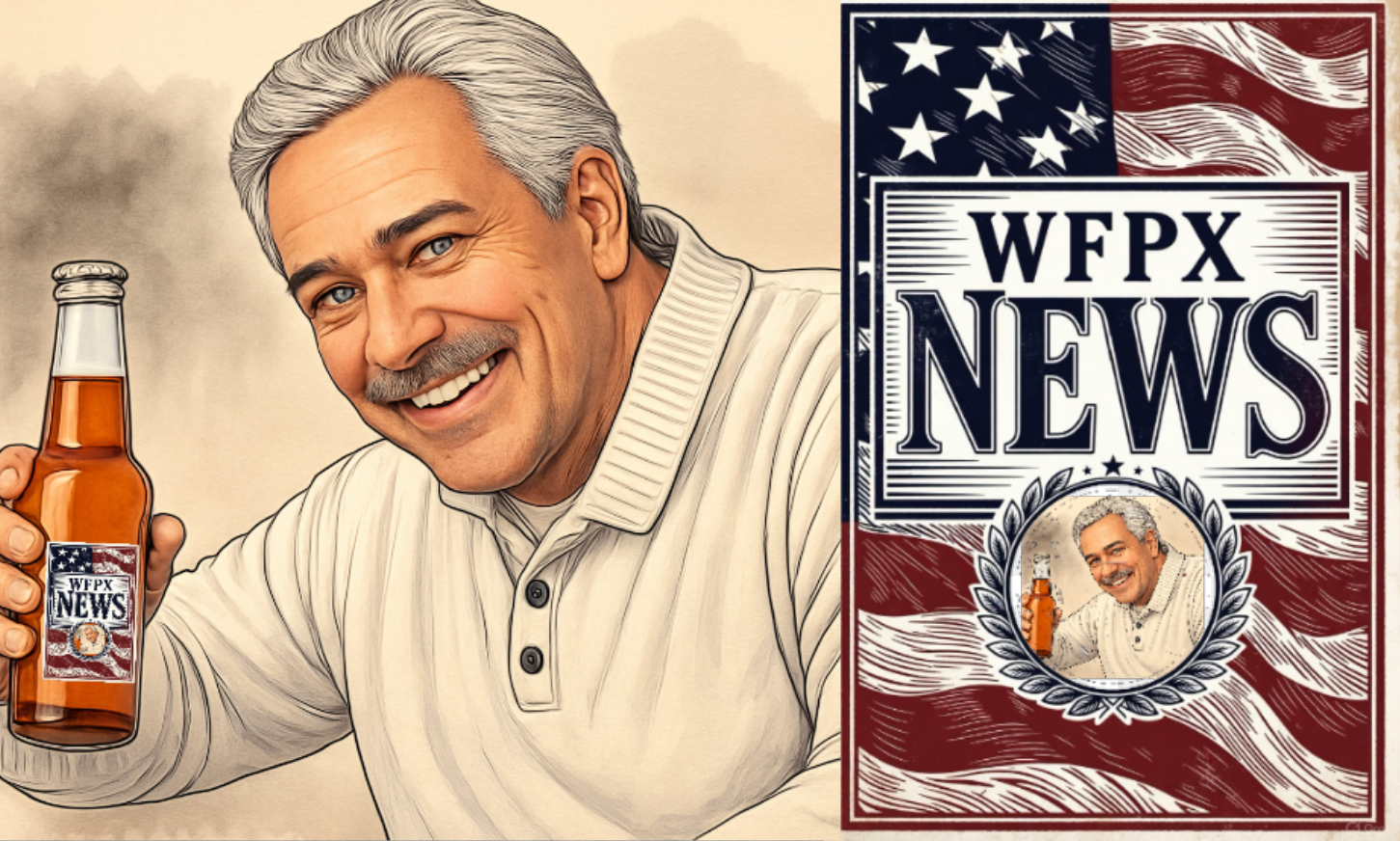
~Michael T. Ruhlman
Republicans don’t admire John Fetterman because he suddenly switched parties or began championing conservative policy. On many core issues, he remains aligned with Democrats. What stands out—and what has quietly earned him respect across the aisle—is something far rarer in modern politics: a visible commitment to honesty, plain speech, and what many voters interpret as basic common sense.
In an era when political messaging often feels rehearsed, hyper-strategic, and filtered through consultants, Fetterman comes across differently. He speaks directly, sometimes bluntly, and often without the polished framing that dominates Washington. That authenticity resonates, especially with Republicans who are accustomed to viewing Democratic leaders as overly scripted or detached from everyday realities. It’s not agreement that draws their attention—it’s credibility.
Republican voters, like most Americans, don’t necessarily expect ideological alignment from every public figure. What they respond to is clarity. When a politician appears to say what they actually believe, rather than what polling suggests they should say, it builds a kind of cross-partisan trust. Fetterman has shown a willingness to acknowledge complexity and to avoid reflexive party-line rhetoric, even when it would be politically easier to lean into it. That signals independence of thought, not disloyalty.
There’s also a cultural dimension. Fetterman’s persona—his casual dress, unvarnished communication style, and working-class presentation—cuts against the image many Americans have of national politicians. For Republicans who often frame their political identity around “real life” concerns and skepticism of elite institutions, that style feels familiar. It suggests a person grounded in lived experience rather than political theater.
But the respect goes deeper than aesthetics. It’s rooted in moments where Fetterman has demonstrated what voters interpret as practical judgment. When he addresses issues in ways that acknowledge tradeoffs, public safety concerns, or economic realities without immediately defaulting to partisan talking points, it reads as common sense. Republicans don’t see that as betrayal of Democratic priorities—they see it as a willingness to engage reality before ideology.
This dynamic highlights something important about the current political moment. Voters across the spectrum are increasingly fatigued by absolutism. They’re wary of leaders who appear unwilling to question their own side or acknowledge obvious tensions in policy debates. Fetterman’s approach, intentionally or not, pushes against that trend. He doesn’t fit neatly into the caricatures each party often uses to describe the other.
Republican appreciation doesn’t mean universal approval. Many still strongly disagree with his policy positions. But respect and agreement aren’t the same thing. In fact, respect built across disagreement can be more powerful. It signals that the political divide, while deep, isn’t purely tribal—that character and communication style still matter.
In some ways, the reaction to Fetterman reveals as much about Republicans as it does about him. It shows a hunger for political figures who feel genuine, who speak plainly, and who appear guided by practical reasoning rather than ideological reflex. That desire exists across party lines, even if it’s expressed differently.
Ultimately, Republicans don’t “love” John Fetterman because he opposes his party. They respond to him because he doesn’t seem manufactured. He projects steadiness, candor, and a willingness to engage with reality as it is, not just as it’s framed within partisan narratives. In a political environment dominated by performance, that alone is enough to stand out—and, for some across the aisle, enough to earn respect.
© 2025 WFPX Communications & Publishing, LLC. All rights reserved.